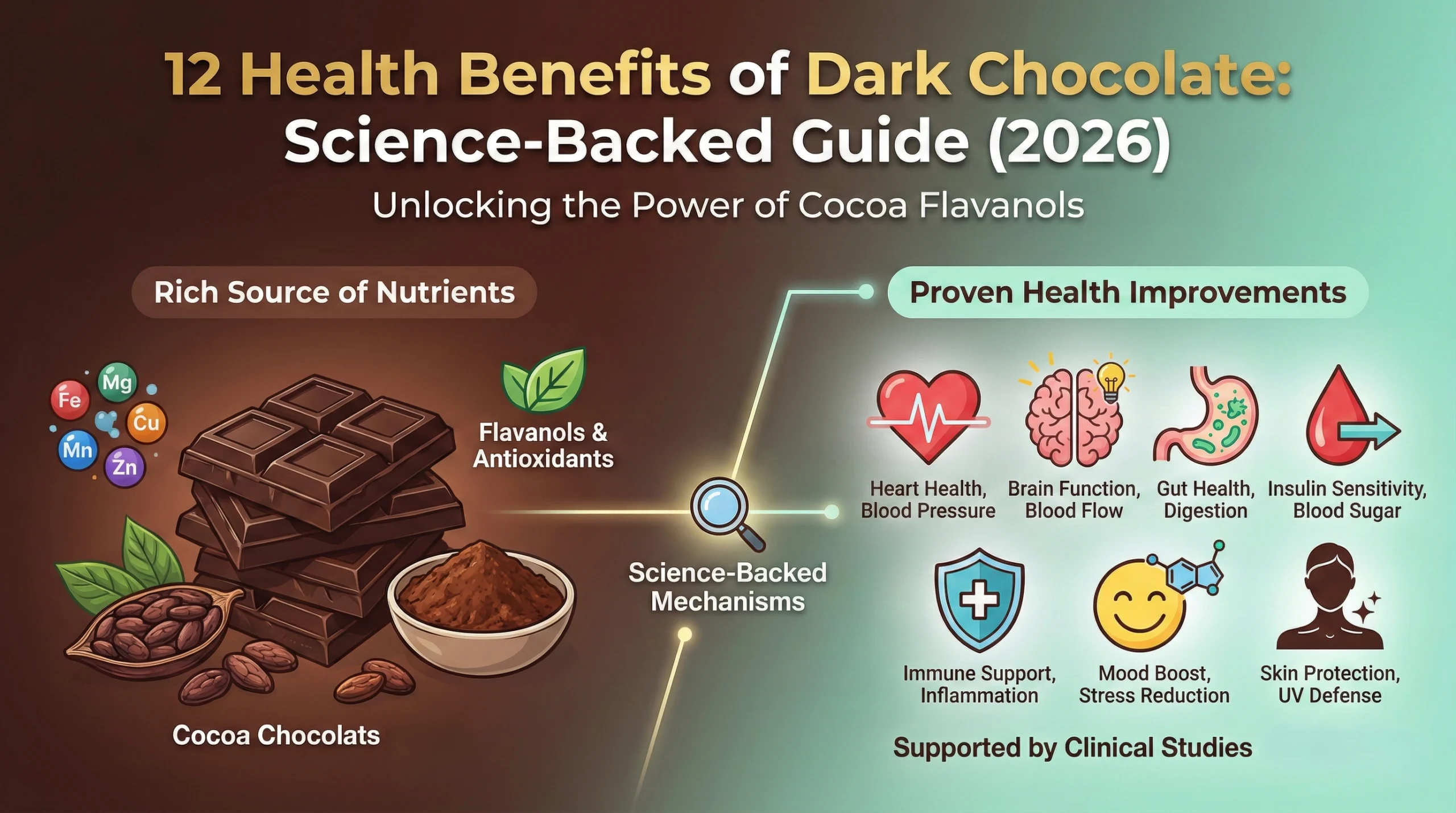
- Dark chocolate with 70%+ cocoa contains powerful flavanols that improve heart health, reduce blood pressure, and lower diabetes risk by 21% (Harvard 2024 study)
- Quality dark chocolate provides essential minerals (iron, magnesium, copper), fiber (11g per 100g), and more antioxidants than blueberries or green tea
- Optimal consumption is 20-30g daily (1-2 squares) enough to gain benefits without excessive calories or sugar intake
What Makes Dark Chocolate a Health Food?
Dark chocolate isn't just a dessert. When consumed correctly, it functions as a nutrient-dense food with measurable health benefits backed by decades of research.
The difference between dark chocolate and milk chocolate comes down to cocoa content. Dark chocolate contains at least 50-70% cocoa solids, while milk chocolate typically contains only 10-20%.
That cocoa percentage matters because cocoa is where the health benefits originate.
The Science: Flavanols and Polyphenols
Cocoa beans contain plant compounds called flavanols a type of flavonoid with antioxidant and anti-inflammatory properties.
Dark chocolate with 70-85% cocoa contains 2-3 times more flavanols than milk chocolate. These compounds are responsible for most of the cardiovascular and cognitive benefits researchers have documented.
According to research published in the Journal of Agricultural and Food Chemistry, cocoa's flavonoids help reduce oxidative damage to lipids and DNA, which may contribute to healthy aging and cellular protection.
Source: Journal of Agricultural and Food Chemistry, PubMed CentralWhy 70% Cocoa Is the Minimum
Studies consistently show that health benefits appear primarily in chocolate containing 70% or higher cocoa content.
Below 70%, the sugar content rises and flavanol concentration drops significantly. A 50% dark chocolate bar might contain 15-18g of sugar per ounce similar to milk chocolate.
For this guide, all health benefits discussed apply to dark chocolate with 70-85% cocoa content unless specified otherwise.
12 Science-Backed Health Benefits of Dark Chocolate
Heart disease remains India's leading cause of death, accounting for 28% of all mortality. Dark chocolate may offer protective benefits against cardiovascular conditions.
A 2024 Harvard study tracking 192,000 adults found that people who consumed dark chocolate approximately 1 ounce per day had a 21% lower risk of developing Type 2 diabetes compared to those who didn't consume chocolate regularly.
Separate research published in a 2017 review revealed that eating chocolate 3 times per week lowered the risk of cardiovascular disease by 9%. Consuming chocolate more frequently showed diminishing additional benefits.
How it works: Flavanols stimulate the endothelium (the lining of blood vessels) to produce nitric oxide. Nitric oxide signals blood vessels to relax and dilate, improving blood flow and reducing strain on the cardiovascular system.
High blood pressure (hypertension) affects an estimated 220 million Indians-nearly 1 in 4 adults. Even modest reductions in blood pressure can significantly lower cardiovascular risk.
Multiple studies have demonstrated that dark chocolate can reduce both systolic and diastolic blood pressure. A 2022 systematic review and meta-analysis found that cocoa flavonoids helped lower blood pressure measurements, though effects were moderate rather than dramatic.
One study showed that consuming just 15g of 85% cocoa chocolate daily led to measurable blood pressure reductions among hypertensive adults. The effect occurred within 30 minutes and lasted several hours.
How it works: Flavanols increase nitric oxide production, which relaxes blood vessels and improves their flexibility. Better blood vessel function translates directly to lower blood pressure readings.
Important note: Dark chocolate should complement, not replace, prescribed blood pressure medications. Consult your doctor before using chocolate as part of a hypertension management strategy.
Source: Systematic review published in Effects of Cocoa on Blood Pressure (2022)Cholesterol management is critical for preventing atherosclerosis the buildup of plaque in arteries that leads to heart attacks and strokes.
Research shows dark chocolate may improve cholesterol levels in two ways:
- Reducing oxidized LDL (the harmful "bad" cholesterol)
- Increasing HDL (the protective "good" cholesterol)
A 2017 study found that dark chocolate consumption reduced LDL oxidation the process that makes cholesterol dangerous-while improving HDL function.
The fatty acid profile of dark chocolate supports these benefits. Dark chocolate fats consist primarily of oleic acid (heart-healthy monounsaturated fat), stearic acid (neutral effect on cholesterol), and palmitic acid (which comprises only one-third of total fat calories).
Source: Journal of Nutritional Science review (2017)Type 2 diabetes affects over 77 million Indians, with incidence rising rapidly due to urbanization and dietary changes.
Recent research suggests dark chocolate may reduce diabetes risk when consumed regularly in moderate amounts.
The landmark 2024 Harvard study found that people eating dark chocolate 5 or more times weekly had a 21% lower risk of developing Type 2 diabetes compared to non-consumers. Importantly, milk chocolate consumption showed no such benefit and was associated with weight gain.
A separate 2024 study specifically examining 85% dark chocolate found weekly consumption linked to a 31% lower diabetes risk.
How it works: Flavanols are thought to improve insulin sensitivity the body's ability to respond effectively to insulin signals. Better insulin sensitivity means cells can absorb glucose more efficiently, reducing blood sugar levels.
Important context: This doesn't mean chocolate treats diabetes or allows unrestricted consumption for diabetics. Portion control remains essential.
Source: Harvard T.H. Chan School of Public Health, British Medical Journal (2024); Diabetes Research & Wellness Foundation study (2024) Read our complete guide: Dark Chocolate for Diabetics: The Date-Sweetened SolutionCognitive decline is a growing concern as India's population ages. Dark chocolate may support brain health through multiple mechanisms.
A 2024 study from Georgia State University's Lewis College found that consuming dark chocolate improved mental energy, focus, and recovery from fatigue.
The benefits likely stem from increased blood flow to the brain. Flavanols improve cerebral blood circulation, delivering more oxygen and nutrients to brain tissue.
Additionally, dark chocolate contains small amounts of natural stimulants:
- Caffeine: 20-30mg per ounce (mild alertness boost)
- Theobromine: 200-250mg per ounce (sustained cardiovascular stimulation, improved oxygen delivery)
A study on adults with mild cognitive impairment suggested cocoa flavonoids might help maintain cognitive function and reduce progression to dementia, though more research is needed.
Practical application: Students preparing for exams, professionals during intense work periods, or older adults concerned about memory may benefit from regular dark chocolate consumption.
Source: Georgia State University research (2024); cognitive function studies in older adults Read our detailed guide: Dark Chocolate for Brain Health: Memory, Focus & Cognitive FunctionDark chocolate isn't just about antioxidants it's a concentrated source of minerals often deficient in Indian diets.
A 100g serving of 70-85% dark chocolate provides:
- Iron: 11.9mg (67% of recommended daily intake)
- Magnesium: 228mg (64% of RDI)
- Copper: 1.8mg (89% of RDI)
- Manganese: 1.9mg (98% of RDI)
- Potassium: 715mg
- Phosphorus: 308mg
- Zinc: 3.3mg
Why this matters:
- Iron deficiency is widespread in India, particularly among women. Dark chocolate provides plant-based (non-heme) iron that contributes to daily needs.
- Magnesium supports muscle function, nerve signaling, blood pressure regulation, and bone health.
- Copper is vital for heart health, iron absorption, and immune function.
Important note: 100g is a large serving (about 600 calories). A realistic 30g serving still provides 20-30% of these minerals' daily requirements.
Source: USDA Food Data Central nutritional analysisAntioxidants neutralize free radicals unstable molecules that damage cells and contribute to aging and chronic disease.
Dark chocolate ranks among the highest antioxidant-containing foods, surpassing even superfoods like blueberries and açai berries in total antioxidant capacity tests.
The primary antioxidants in dark chocolate include:
- Polyphenols: Broad category of plant compounds
- Flavanols: Specific type of polyphenol (epicatechin, catechin, procyanidins)
- Theobromine: Unique to cacao
One study found dark chocolate had more antioxidant activity than green tea or red wine per serving.
A 2024 study in Food Research International reported that cocoa powder and dark chocolate improved systemic oxidative status and reduced inflammation in adults when consumed in moderation.
Practical benefit: Regular antioxidant intake from sources like dark chocolate may support cellular health and potentially slow aging processes, though claims about life extension remain theoretical.
Source: Journal of Agricultural and Food Chemistry; Food Research International (2024)Your gut microbiome the trillions of bacteria in your digestive system influences everything from immunity to mood to metabolic health.
Dark chocolate functions as a prebiotic, meaning it provides fuel for beneficial gut bacteria.
Research from ZOE, a leading nutrition science company, found that cocoa flavonols act "like rocket fuel for your gut microbes." Their studies identified that certain "good" bacteria particularly thrive on dark chocolate.
Cocoa polyphenols help feed beneficial bacteria such as Bifidobacterium and Lactobacillus, which support digestive health, immune function, and even mental wellbeing.
Additionally, dark chocolate contains soluble fiber-approximately 11g per 100g bar-which supports regular digestion and feeds gut bacteria.
Indian context: Traditional Indian diets high in legumes, whole grains, and fermented foods naturally support gut health. Dark chocolate can complement these dietary patterns.
Source: ZOE nutrition research; gut microbiome studiesExposure to India's intense sunlight increases skin damage risk. Emerging research suggests dark chocolate's bioactive compounds may offer some protection.
Flavanols in dark chocolate can:
- Improve blood flow to the skin
- Increase skin density and hydration
- Provide protection against sun damage
A 2021 review suggested that flavanols could increase the minimal erythemal dose (MED) the amount of UVB radiation required to cause sunburn-by improving skin's natural defense mechanisms.
One study found that people who consumed high-flavanol dark chocolate for 12 weeks showed improved resistance to UV-induced skin redness.
Important caveat: Dark chocolate does NOT replace sunscreen. Consider it a supplementary measure, not primary sun protection.
Source: 2021 review on cocoa flavanols and skin healthChronic inflammation underlies many diseases prevalent in India: diabetes, heart disease, arthritis, and certain cancers.
Dark chocolate's polyphenols have demonstrated anti-inflammatory effects in multiple studies.
Research shows that cocoa compounds can modulate the immune system and suppress production of pro-inflammatory cytokines signaling molecules that promote inflammation throughout the body.
A 2024 study found that regular dark chocolate consumption reduced systemic inflammation markers in adults.
Mechanism: Antioxidants in dark chocolate neutralize reactive oxygen species (ROS) that trigger inflammatory responses. By reducing oxidative stress, dark chocolate indirectly dampens inflammation.
Source: Anti-inflammatory effects research published in nutritional journals (2024)This benefit seems counterintuitive chocolate for weight management? But research supports moderate consumption as part of a balanced approach.
A 2024 study published in the European Journal of Clinical Nutrition found that adding small amounts of dark chocolate to meals reduced sugar cravings and prevented overeating.
How it helps:
- Satiety: The combination of fiber, fat, and intense flavor means you feel satisfied with smaller portions (1-2 squares vs. eating an entire milk chocolate bar)
- Craving control: Allowing yourself a small amount of quality chocolate daily prevents the deprivation-binge cycle
- Metabolic benefits: Improved insulin sensitivity from flavanols may support healthy metabolism
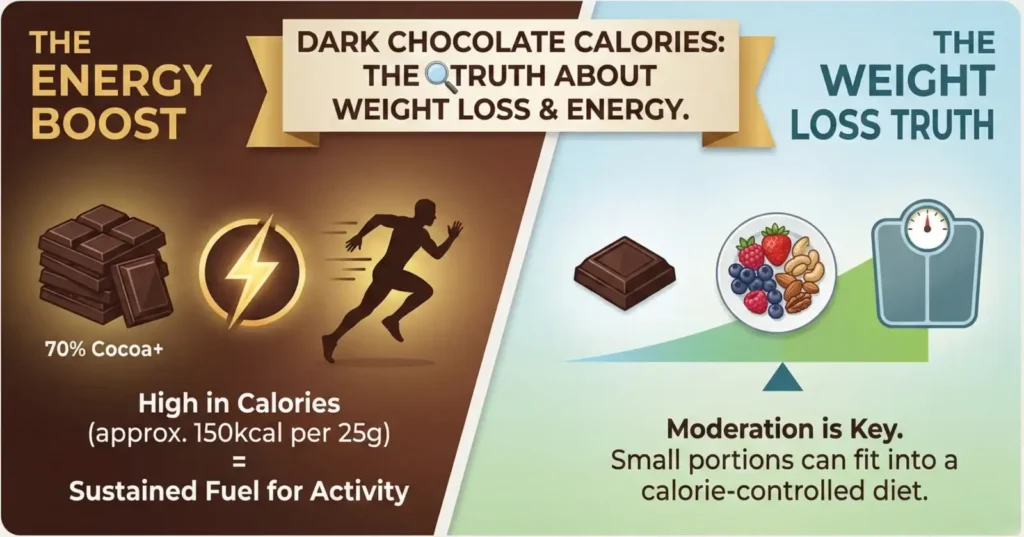
Critical context: This only works with portion control (20-30g daily) and quality chocolate (70%+ cocoa). Milk chocolate or eating entire bars will cause weight gain.
Source: European Journal of Clinical Nutrition study (2024)Beyond physiological benefits, dark chocolate affects mental wellbeing and mood.
Dark chocolate stimulates production of endorphins-neurotransmitters associated with pleasure and pain relief. It also contains serotonin precursors, which act as natural antidepressants.
Additionally, the sensory experience of eating high-quality chocolate the aroma, texture, and complex flavors -can provide psychological comfort and stress relief.
Important distinction: This is NOT about using chocolate to cope with clinical depression or anxiety disorders. Professional mental health support remains essential for these conditions.
However, as part of a balanced lifestyle, moderate dark chocolate consumption may contribute to overall emotional wellbeing.
How Much Dark Chocolate Should You Eat?
More is not better. Dark chocolate remains calorie-dense (approximately 600 calories per 100g) with sugar content even in quality varieties.
Recommended Daily Amount
General guideline: 20-30g daily (approximately 1-2 squares or 1 ounce)
This provides:
- 110-170 calories
- Meaningful flavanol dose
- Sufficient minerals
- Manageable sugar intake (4-7g depending on cocoa percentage)
Upper Limit
Maximum: 50g daily (approximately 300 calories)
The 2017 cardiovascular study found that consuming chocolate more than 3 times weekly showed diminishing returns-benefits plateaued rather than increased linearly.
Quality Over Quantity
A single square of 85% dark chocolate provides more health benefits than three squares of 60% dark chocolate, due to higher flavanol concentration and lower sugar content.
How to Choose Quality Dark Chocolate
Not all dark chocolate delivers health benefits. Many commercial brands contain minimal cocoa and excessive sugar.
Essential Selection Criteria
1. Cocoa Percentage
- Minimum: 70%
- Optimal: 70-85%
- Expert level: 85-90%
2. Ingredient List
- Look for: Cocoa/cacao as first ingredient, Cocoa butter (not vegetable oils), Minimal ingredients
- Avoid: "Chocolate flavor", Partially hydrogenated oils, Long lists of unrecognizable additives
3. Sweetener Type
- Best: Date-sweetened (natural, moderate GI)
- Acceptable: Small amounts of cane sugar
- Questionable: Stevia + erythritol
- Avoid: Maltitol, artificial sweeteners
4. Processing
- Look for: "Bean-to-bar," "Minimally processed," "Cold-processed"
- These terms indicate better flavanol retention
Dark Chocolate vs. Milk Chocolate: The Health Difference
Understanding the comparison clarifies why only dark chocolate provides significant benefits.
| Factor | Dark Chocolate (70-85%) | Milk Chocolate |
|---|---|---|
| Cocoa content | 70-85% | 10-20% |
| Flavanol concentration | High (2-3x more) | Low |
| Sugar per ounce | 6-10g | 16-18g |
| Fiber per 100g | 11g | 1g |
| Antioxidant capacity | Very high | Low |
| Added dairy | No (usually) | Yes |
| Cardiovascular benefits | Documented | None observed |
| Diabetes risk reduction | 21% (Harvard study) | Associated with weight gain |
Bottom line: Milk chocolate is candy. Dark chocolate with 70%+ cocoa is a functional food when consumed appropriately.
Important Warnings and Considerations
When to Avoid or Limit Dark Chocolate
- Kidney disease (CKD): Dark chocolate is high in potassium. People with chronic kidney disease should consult their nephrologist before regular consumption.
- Caffeine sensitivity: Those sensitive to stimulants should limit dark chocolate, especially in the afternoon or evening.
- Migraine triggers: Some people report chocolate triggering migraines. If you notice this pattern, discontinue consumption.
- Gastroesophageal reflux (GERD): Chocolate can relax the lower esophageal sphincter, potentially worsening acid reflux symptoms.
- Oxalate content: Dark chocolate contains oxalates, which may contribute to kidney stone formation in susceptible individuals.
Contaminant Concerns
A 2022 Consumer Reports investigation found that 23 of 28 tested dark chocolate bars contained lead and cadmium levels higher than California's safe daily dose limits. Heavy metals accumulate in cacao plants from soil. Even organic brands showed contamination.
Risk mitigation:
- Vary brands rather than eating the same chocolate daily
- Choose brands that publish heavy metal testing results
- Limit consumption to recommended amounts (20-30g daily)
This doesn't negate health benefits, but consumers should be aware of contamination risks in the cacao supply chain.
Source: Consumer Reports heavy metal analysis (2022)The Date-Sweetened Advantage
Most health research focuses on dark chocolate's cocoa content. But sweetener type significantly impacts the overall health profile.
Why Sweetener Choice Matters
Refined sugar (cane sugar):
- Glycemic index: 65 (rapid spike)
- Empty calories with no nutritional value
- Contributes to blood sugar fluctuations
Stevia + erythritol:
- Zero calories and minimal glycemic impact
- 2023 Cleveland Clinic study linked erythritol to doubled cardiovascular risk
- 35-40% consumer rejection due to metallic aftertaste
Date powder (natural):
- Glycemic index: 42-55 (moderate, gradual absorption)
- Contains fiber (approximately 7g per 100g dates)
- Provides minerals: potassium (334mg per 100g), magnesium
- No artificial compounds or cardiovascular concerns
For diabetics, pre-diabetics, or anyone prioritizing metabolic health, date-sweetened chocolate offers a functional alternative to both refined sugar and artificial sweeteners.
Read more: Why We Don't Use Stevia: The Bitter Truth About "Natural" SweetenersThe Bottom Line
- Dark chocolate with 70-85% cocoa provides documented cardiovascular benefits, including 21% lower diabetes risk and 9% reduced cardiovascular disease risk when consumed 3+ times weekly in 20-30g portions.
- Quality dark chocolate delivers essential minerals (67% RDI iron, 64% RDI magnesium per 100g), more antioxidants than blueberries or green tea, and prebiotic fiber that supports gut microbiome health.
- Optimal consumption is 20-30g daily-sufficient for health benefits without excessive calories, with date-sweetened varieties offering moderate glycemic response (GI 42-55) compared to refined sugar options (GI 65).
Common Questions About Dark Chocolate and Health
Frequently Asked Questions
Can I eat dark chocolate every day?
Does dark chocolate have caffeine?
Is dark chocolate suitable for diabetics?
Can dark chocolate help me lose weight?
Is 99% dark chocolate healthier than 70%?
Can children eat dark chocolate for health benefits?
Related Reading
Deep-Dive Guides:
- Dark Chocolate for Heart Health: Complete Cardiovascular Guide - Detailed mechanisms, dosing, and Indian context
- Dark Chocolate for Brain Health: Memory, Focus & Cognitive Function - Cognitive benefits, theobromine effects, productivity applications
Specific Health Conditions:
- Dark Chocolate for Diabetics: The Date-Sweetened Solution - Portion guidelines, blood sugar impact, sweetener comparison
- Is Dark Chocolate Keto? The Date-Sweetened Difference - Net carbs, macros, keto compatibility
Understanding Ingredients:
- Why We Don't Use Stevia: The Bitter Truth About "Natural" Sweeteners - Sweetener comparison, taste, and health concerns
- Is Stevia Bad for You? What the 2023 Cleveland Clinic Study Really Found - Erythritol cardiovascular research explained